
Knee
Dr. Jacob is an Oklahoma City knee replacement specialist offering robotic-assisted, outpatient knee replacement surgery with the most advanced minimally invasive techniques, including the muscle-sparing subvastus approach, for improved patient outcomes and faster recovery.
Knee Anatomy
-
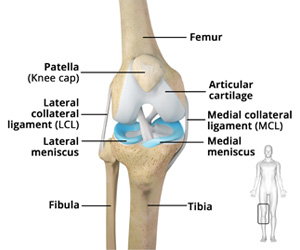
The knee is made up of four bones. The femur or thighbone is the bone connecting the hip to the knee. The tibia or shinbone connects the knee to the ankle.
Procedures
-
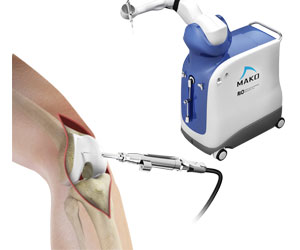
We understand that making sure you know what to expect from your joint replacement experience is important to you. As you are reading through this material, if you have additional questions please reach out to us to discuss.
-
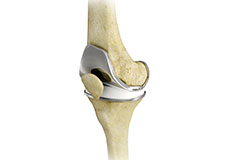
Total knee replacement, also called total knee arthroplasty, is a surgical procedure in which the worn out or damaged surfaces of the knee joint are removed and replaced with artificial parts. The knee is made up of the femur (thigh bone), the tibia (shin bone), and patella (kneecap). The meniscus, the soft cartilage between the femur and tibia, serves as a cushion and helps absorb shock during motion. Arthritis (inflammation of the joints), injury, or other diseases of the joint can damage this protective layer of cartilage, causing extreme pain and difficulty in performing daily activities. Your doctor may recommend surgery if non-surgical treatment options have failed to relieve the symptoms.
-
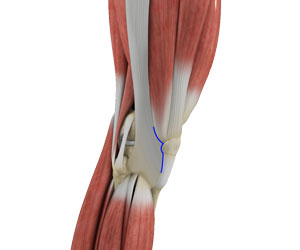
Subvastus Muscle Sparing Total Knee Replacement (SV-MS TKR) is a surgical technique in total knee arthroplasty (TKA) that prioritizes preserving the vastus medialis muscle and its neurovascular integrity. Unlike traditional approaches that often involve extensive manipulation or splitting of the quadriceps muscles, the subvastus approach focuses on minimizing soft tissue trauma, which is a key determinant of recovery outcomes.
-
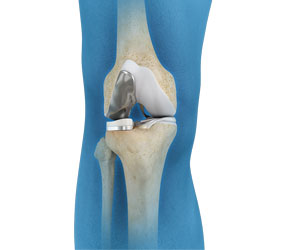
Unicompartmental knee replacement is a minimally invasive surgery in which only the damaged compartment of the knee is replaced with an implant. It is also called a partial knee replacement. The knee can be divided into three compartments: patellofemoral, the compartment in front of the knee between the knee cap and thigh bone, medial compartment, on the inside portion of the knee, and lateral compartment which is the area on the outside portion of the knee joint.
-
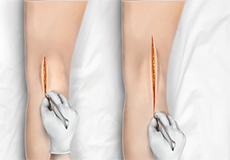
Total knee replacement is a very successful surgical treatment for knee arthritis. Over the years, minimally invasive knee replacement surgical techniques have been developed to lessen tissue trauma and improve patient outcomes. This minimally invasive approach involves much smaller incisions than the usual 10-12 inch incisions used in the traditional knee replacement and spares the quadriceps muscle and tendon, which control bending of the knee, from being cut to access the knee joint.
-
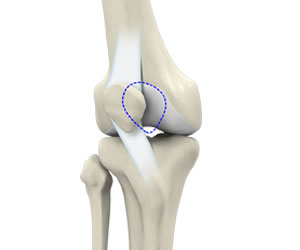
Arthritis is a general term covering numerous conditions where the joint surface or cartilage wears out. The joint surface is covered by a smooth articular surface that allows pain free movement in the joint. This surface can wear out for a number of reasons; often the definite cause is not known.
-
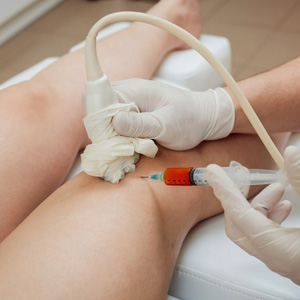
Limfa® Therapy uses low-frequency electromagnetic waves to connect with our cells. The Limfa® Therapy waves cause the walls of your cells to vibrate. The vibration allows the Limfa® Therapy System to send signals across the cellular membrane and repair the electrochemical balance and function of your cells.
-
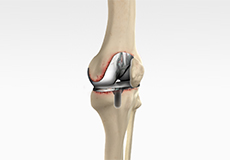
Revision knee replacement surgery involves replacing part or all of your previous knee prosthesis with a new prosthesis. Although total knee replacement surgery is successful, sometimes the procedure can fail due to various reasons and require a second revision surgery.
Conditions
-
-
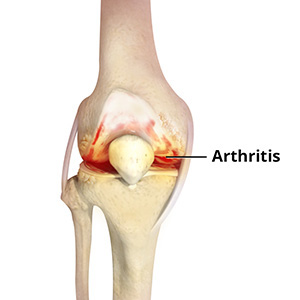
The joint surface is covered by a smooth articular surface that allows pain-free movement in the joint. Arthritis is a general term covering numerous conditions where the joint surface or cartilage wears out. This surface can wear out for several reasons; often the definite cause is not known.
-
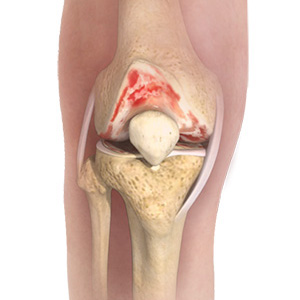
Knee osteoarthritis (OA) is a degenerative joint disease that occurs when the cartilage in the knee joint gradually wears away. Cartilage is a smooth, slippery tissue that cushions the ends of bones and helps the joint move smoothly. As it deteriorates, the bones may begin to rub against each other, leading to pain, swelling, stiffness, and reduced mobility.